Understanding Blood Clots and Their Treatment
- 1 December 2025
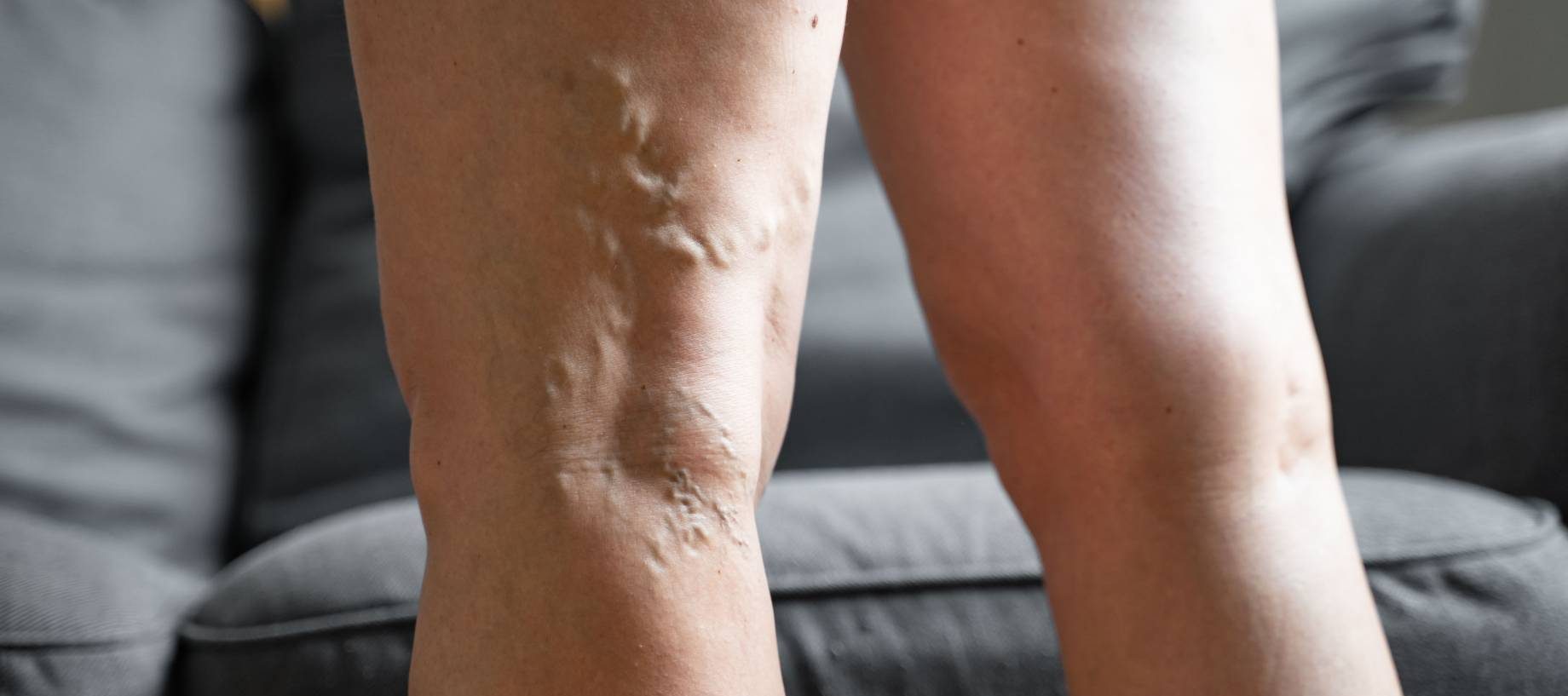
What Are Blood Clots?
Blood clotting is a natural process that helps stop bleeding when we’re injured. This function is controlled by special substances in the blood called clotting factors.
While clotting is vital, it becomes dangerous when a blood clot forms in the wrong place. A clot that blocks normal blood flow can lead to serious health issues, especially if it forms in a deep vein or travels to the lungs.
Deep Vein Thrombosis (DVT)
Deep vein thrombosis (DVT) is a blood clot that forms within the deep veins, usually in the legs. These veins sit deeper under the skin and run through the muscles. A DVT is a serious condition because part of the clot can break away and travel to the lungs, causing a pulmonary embolism, a potentially life-threatening event that can interfere with breathing.
Superficial Thrombosis
A superficial thrombosis refers to a clot in veins close to the skin’s surface. These clots are usually less dangerous, but they can sometimes extend into the deeper veins. If you notice symptoms, it’s important to have them assessed by a doctor to rule out any risk of complications.
Symptoms of a Blood Clot
A clot in the leg, whether it be superficial or deep may result in the below symptoms:
- Pain or tenderness (commonly in the calf)
- Swelling
- Redness
- Warmth in the affected area
To confirm the presence of a clot, your doctor may recommend:
- Blood tests (e.g. D-dimer test)Swelling
- Ultrasound scan to visualise the veins and detect any blockage
Treatment depends on where the clot is located and the risk of further complications.
- Clexane (Enoxaparin)
This fast-acting blood thinner is often the first step in treatment. It’s injected just under the skin and typically given daily for 5 to 7 days. - Oral Anticoagulants
Once initial treatment is started, patients may transition to oral blood thinners, such as:- Warfarin
- Dabigatran
- Rivaroxaban
These medications reduce the risk of further clotting and are usually taken for 3 to 6 months, depending on your individual risk.
- Compression Stockings
Wearing compression stockings can improve blood flow in the legs and reduce swelling. They’re a helpful addition to medication for many patients. - Long-Term Treatment
Some patients with a history of recurrent blood clots may need to stay on anticoagulants long-term to prevent future events.
If you are worried about your varicose veins and risk of developing a thrombosis please contact Vein & Laser for an assessment. Vein & Laser